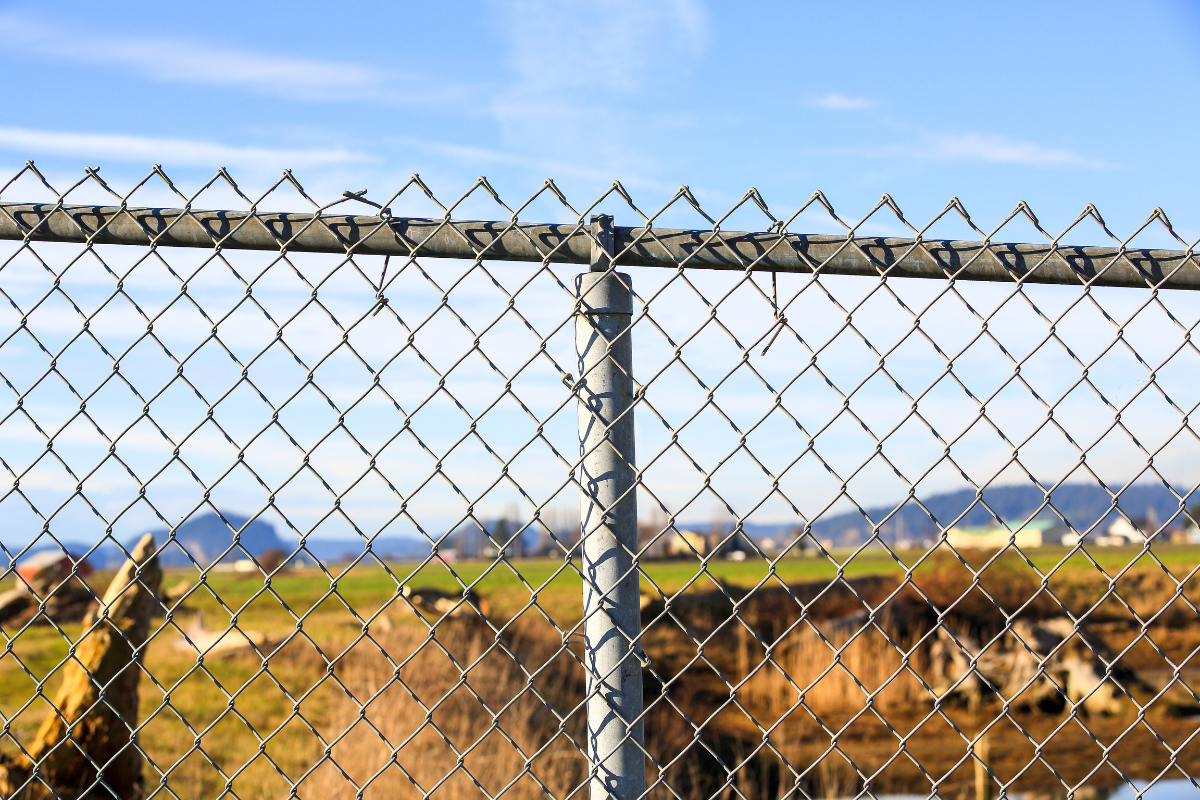
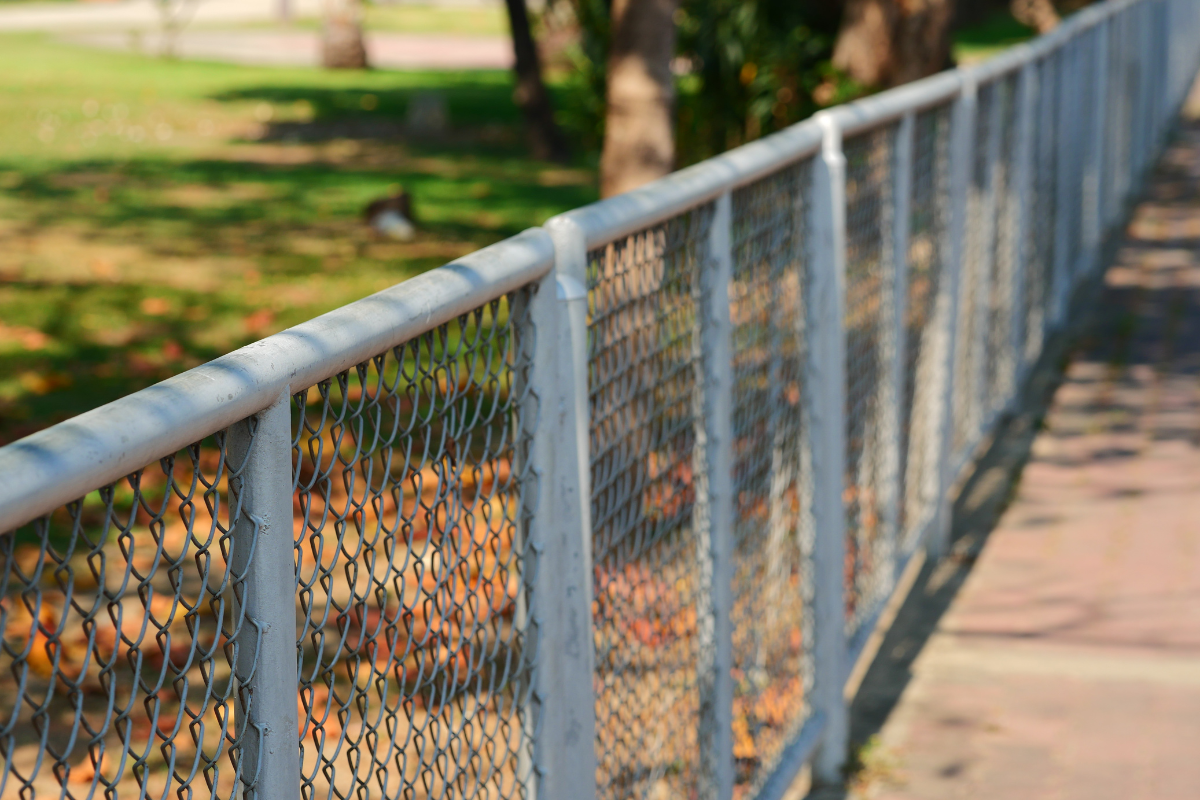
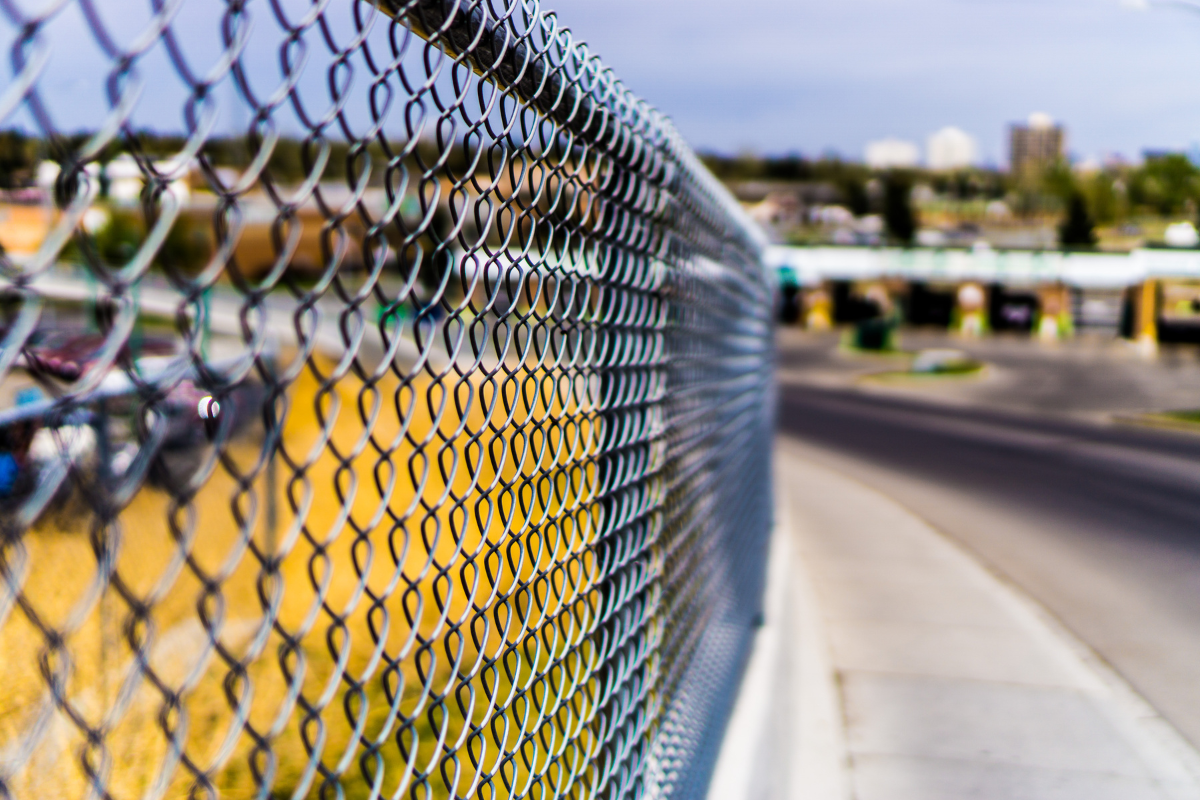
Storms do not ask permission. A squall snaps a limb, the limb takes out a section of fabric and top rail, and your chain link fence that quietly did its job for years is suddenly a liability. Pets can slip out. A pool no longer meets code. The back gate won’t latch. Once the debris is cleared, the next stressor arrives: insurance. I have sat at kitchen tables with homeowners staring at policy language, and I have walked adjusters along fence lines with measuring tape in hand. Getting a fair settlement for chain link fence repair is not mysterious, but it does demand method, timing, and a bit of persistence.
This guide passes along the practical steps and judgment calls that make the difference, both for small fixes and for damage that runs the length of a property. Whether you plan to DIY the repair or to hire a chain link fence contractor, the way you document, estimate, and communicate will drive the outcome of your claim.
What insurers cover and why wording matters
Most homeowners policies classify fencing as “other structures,” typically capped at 10 percent of the dwelling coverage limit. That cap can be plenty for a typical suburban yard, but it surprised one client whose house was covered for 250,000 dollars while his business-grade perimeter fence stretched 600 feet. After a wind event, his coverage limit for the fence was 25,000 dollars total. The full replacement cost came in higher, so we had to strategize section by section and prioritize safety and code first.
Perils make or break fence claims. Wind, hail, fire, vehicle impact, and falling objects are commonly covered. Gradual deterioration, rust, ground movement, and poor installation fall outside. If a post rotted over the years and snapped, insurers will call that maintenance. If a healthy oak fell during a named storm and crushed that same post, that is a peril. For chain link fencing, rust lines and loose ties are often pre-existing, so photos from prior seasons help show that the damage is new and tied to a specific event.
Policies also differ on actual cash value versus replacement cost. With actual cash value, age and wear reduce the payout. Replacement cost pays what it takes to put you back to pre-loss condition at current prices, sometimes after you complete the work. I have seen adjusters apply a 30 to 50 percent depreciation on an older galvanized fence, then release the withheld depreciation once repairs are verified. Know which model your policy uses before you start planning.
First moves in the first 24 hours
Immediately after damage, think safety, documentation, and temporary protection in that order. Live wires and downed limbs beat everything else. Once the area is safe, pull out your phone and take wide shots of the entire fence run, then closer details at each damaged point. Photograph the source, too, like the tree or the vehicle, and the surroundings to show wind-driven debris. If you have footage before the event, even a real estate listing photo from years past, save it in the same folder.
Call your insurer sooner rather than later. Reporting a claim on day one signals seriousness and prevents later questions about timeline or additional damage. If severe weather hit your area, claim volume spikes quickly, and getting into the queue early helps. Ask for your claim number and the best way to share images and documents.
Temporary repairs are allowed and expected, not penalized. The policy usually requires you to mitigate further loss. For chain link specifically, that might mean bracing a leaning post with 2x4s, covering a gap with plywood panels, or tensioning loose fabric so pets cannot escape. Keep all receipts for temporary materials and track your hours if you perform the work yourself. Some carriers reimburse reasonable labor for mitigation, even if they do not pay homeowners for do-it-yourself permanent repairs.
Reading the fence like an adjuster
The adjuster will want to know where the fence starts and ends, the height, the gauge, coating, and any gates or specialty components. The more precisely you present that information, the less room there is for under-scoping. Here is how I walk a damaged chain link fence to produce a claim-ready scope:
- Start at a corner or terminal post and move clockwise, measuring linear feet with a wheel or tape. Note each terminal, line post, and gate post. Record the height. Common residential heights are 4 feet and 6 feet. Pools often require 48 inches minimum with self-closing gates. Identify fabric: galvanized or black/green vinyl-coated, and the wire gauge. Residential fabric is often 11 or 11.5 gauge, with 2-inch diamonds. Commercial fences can be 9 gauge. Check the framework: top rail size (usually 1-3/8 inch residential, 1-5/8 or 1-7/8 for heavier duty), whether there is a bottom tension wire or bottom rail, and any mid rails. Count fittings: tension bands, brace bands, caps, loop caps, rail ends, tension bars, and ties. Adjusters rarely itemize ties, but a good estimate includes the time to cut and replace them.
Most storm damage concentrates on a few patterns. A snapped top rail creates a sag, letting the fabric droop. A bent line post leans with tension transferred to adjacent panels. Fallen branches tear out fabric, breaking diamonds and stretching the mesh beyond recovery. Vehicle strikes often push a section off grade, kink the rail in multiple places, and ovalize posts at the concrete. Each pattern drives a different repair approach.
One rule of thumb: if fabric strands are broken or the diamonds are permanently elongated, replacement of that panel of fabric is best. Trying to make stretched mesh look right again wastes hours and still leaves a weak spot. For a post bent more than 10 to 15 degrees, straighten-only fixes rarely last. The steel has yielded. Replace the post and reset it in concrete, matching the depth and bell to the site soil.
Building an estimate that withstands scrutiny
Insurers work from scope and unit cost. Give them both. A line-by-line estimate reads like a parts list with labor, separate from the narrative of what happened. If you hire a chain link fence company, ask for their proposal in that format rather than a single lump sum, especially when the job is partly claim, partly owner upgrade.
For a typical 30 feet of damaged 4-foot galvanized fence with one bent gate post, a solid estimate will include:
- Removal and disposal of damaged fabric, top rail, and one post, including cutting ties and hauling debris. New 11-gauge galvanized fabric to match existing, with a 2-inch diamond, stretched and tied. New 1-3/8 inch top rail with couplings, cut to fit and connected with rail ends and brace bands. Replacement of one galvanized gate post set in 80 to 100 pounds of concrete at 30 inches minimum depth, plumb and aligned to the hinge side. Rehang and adjust of existing gate, with new hinges if bent. Hardware and fittings, including tension bars, bands, caps, and 9-gauge aluminum ties. Mobilization and labor hours, including site protection and utility marking if digging near services.
Prices vary by region, material costs, and access. Material costs shift with steel markets. In the last few years, I have seen top rail swing from 1.50 to 3.50 per linear foot, and fabric from 3 to 7 dollars per linear foot for residential gauges. Labor for a small repair often lands between 65 and 120 dollars per hour per technician, with a minimum service charge for small jobs. Share current, local quotes. If your chain link fence contractor uses standardized software, it might align with insurer price lists, which reduces friction.
When vinyl-coated fabric is involved, make sure the color match is addressed. Black and green coatings vary between manufacturers. If the fence is older and the color has faded, a perfect match may be impossible. In those cases, I either propose swapping an entire panel between two posts so the transition occurs at a natural break, or replacing a longer run to keep the color consistent on visible sides. Insurers will consider aesthetics when it is reasonable and documented.
Depreciation, deductibles, and betterment
Even a well-prepared estimate must pass through the filters of your deductible and policy terms. The deductible applies first. If your deductible is 1,500 dollars and the fence repair is 2,100 dollars, the net claim is 600 dollars. In that situation, it can make sense to handle it out of pocket and keep your claim history clean, unless the event damaged other structures as well.
Depreciation depends on age and condition. A 15-year-old galvanized fence may draw a 40 percent depreciation holdback on the initial payment, released after you show proof of completion. Vinyl-coated fences tend to last longer and may be depreciated less if they were in good condition before the event. Push back with photos if the adjuster’s depreciation seems too aggressive. I have corrected fences marked “poor” to “average” with a few pre-storm photos showing straight lines, intact ties, and no rust.
Betterment is the thorny edge case. If you upgrade during repair, insurers typically pay what it would cost to replace like with like. Replace 11.5-gauge galvanized fabric with 9-gauge black vinyl because you prefer the look, and you pay the difference. Add a bottom rail where only tension wire existed, and you pay the difference. There are times, however, when code or safety requires an upgrade, and insurers will cover it. Pool barrier requirements are the classic example. If your municipality requires a self-closing, self-latching gate that swings outward with a specific latch height, and your original gate did not meet that, document the code section and the inspector’s note, then include it in the claim.
Working with adjusters in the field
Good adjusters appreciate a knowledgeable homeowner or contractor who comes prepared. Printed photos with damage circled, measurements noted, and a calm walkthrough speed things up. Resist the urge to “wing it” on numbers while onsite. Instead, explain the repair approach and let your estimate speak to cost.
Walk the adjuster through the failure points. Show where the post ovalized within the concrete, making it impossible to plumb without replacement. Point to torn fabric strands that cannot be stretched back into shape. Highlight how the top rail kinked at a coupling, a stress point that requires cutting back and inserting a new rail section rather than just bending it straight.
If access is tight or if the lawn grade will amplify labor, say so. Climbing a steep slope with a wheelbarrow full of concrete is not the same as a flat yard next to the driveway. If utilities run near the fence line, insist on 811 utility locates before any digging, and include the resulting delay in your timeline projection.
Most disputes fall into two categories: replacing versus repairing, and scope length. Adjusters sometimes propose retying fabric and splicing a top rail where replacement is the right long-term fix. Be ready with manufacturer guidance and industry standards that frown on over-bending steel and on reusing fabric that has lost structural integrity. As for scope length, wind and gravity rarely stop damage neatly at a single post. The transition between new and old components must be secure. That can mean replacing one additional panel to a logical break, a practice most adjusters accept when it is clearly explained.
Choosing a chain link fence contractor who understands claims
Not every chain link fence company wants to work with insurers, and that is fine. For claims, pick a chain link fence contractor comfortable with paperwork, photos, and incremental payments. Ask how they handle supplements if hidden damage emerges, such as discovering that a terminal post’s concrete footing cracked underground and needs replacement. You want a contractor who will notify the adjuster promptly with photos and a short addendum, not one who surprises everyone with a larger invoice at the end.
The contractor should match existing materials where feasible. That includes fabric gauge and coating, rail diameter, and fittings style. Mixing residential and commercial components creates odd transitions and can cost you on the back end. If a perfect match is unavailable due to age or brand differences, your contractor should propose a clean break strategy that keeps the appearance coherent.
Schedule matters. Insurers may release an initial payment and hold depreciation until completion. The contractor needs to work within that cash flow, or you may need to bridge the gap. Clarify payment milestones at the start to avoid strain mid-project.
DIY repairs, and when not to try them
Some chain link fence repair tasks are within reach for a handy homeowner. Swapping a damaged loop cap, cutting out and sliding in a short section of top rail, or retying a dozen ties can restore function quickly. Stretching new fabric correctly, on the other hand, is part art, part physics. It requires a come-along, stretcher bar, tension bands, and a feel for how much tension is enough without deforming the diamonds. Resetting posts in concrete demands plumb, alignment, and depth. A post set even half an inch out of line telegraphs into the rail and fabric, leaving a visible dogleg.
Insurers do not forbid DIY, but they pay for documented results. If you self-perform permanent repairs on a replacement cost policy, expect to be reimbursed for materials and a reasonable labor allowance in some cases, though many carriers restrict labor payments to licensed contractors. If the claim is sizeable or includes gates and corners, the money saved by DIY can evaporate with one mis-set post. I have reworked weekend efforts that cost more in time and materials than a clean professional repair would have.
Special cases: pools, commercial sites, and vehicle impacts
Pool fences come with heightened scrutiny. Insurers know the liability. A damaged section near a pool needs immediate temporary barriers that meet height and latch rules, not just a bungee cord and a hope. When a repair affects a gate, do not reuse a bent hinge or a latch that no longer seats cleanly. A self-closing hinge set must be tuned so the gate closes and latches from a few inches open without a shove. Document the self-closing function with short video clips for the adjuster and, if required, your local inspector.
Commercial chain link brings heavier hardware and security considerations. Barbwire arms, privacy slats, tension wire at the bottom to deter lift, and wider gates add complexity. Privacy slats change wind load calculations. If a storm took down a slatted run, I look at post size and footing size together. Many older commercial fences used 2-3/8 inch line posts where a 2-7/8 inch would be better for slats in windy areas. Insurers usually pay to match existing, but a thoughtful supplement explaining why an upsized post prevents repeat loss can succeed, especially if there is a history of prior wind claims.
Vehicle impacts involve auto insurers when the driver is known and insured. If a car took out your corner, your homeowners carrier may advise you to file with the driver’s auto carrier. When hit-and-run leaves tire marks and debris https://manuelfkav897.almoheet-travel.com/local-chain-link-fence-company-with-same-week-scheduling but no responsible party, your homeowners policy steps in under covered perils like vandalism or impact. Gather police reports, witness statements if available, and debris photos that show point of impact. In my experience, auto carriers are quicker to accept full replacement of all affected components because impact damage is unambiguous.
Privacy slats, screens, and what insurers typically cover
Slats complicate the conversation. They can be high percentage of total cost and sometimes exceed the price of the fabric itself. If the slats broke, insurers generally cover them when the fence is covered. If the fence fabric or rails are fine but slats blew out in a windstorm, the claim is often still valid, provided wind is a named peril and the slats were installed properly. The nuance appears when slats were past their service life. UV-brittled slats that crumble at a touch will be depreciated heavily. When replacing slats, match color and style if possible. If the manufacturer or color is discontinued, a longer run replacement to maintain uniform appearance is worth proposing.
Wind screens and fabric banners fall into accessory territory. Some carriers pay for them as part of the fence system, others do not. If your tennis court or construction fence had a screen, include it in your scope and be ready with invoices or product links. Screens raise wind load, so the structural assessment of posts and rails should account for that.
Timelines and what slows them down
From claim filing to final payment, timelines swing with season and storm footprint. In a single-property loss, I have completed chain link fence repair claims in two to three weeks, including inspection, approval, and installation. After a regional wind event, add two to four weeks. The longest delays come from backordered materials, utility locating in busy corridors, and scheduling around other critical repairs like roof replacements.
Stay ahead on communication. Share your proposal quickly, answer questions within a day, and schedule the work as soon as initial funds arrive and utilities are marked. Send completion photos right away, especially if your policy releases depreciation on proof of completion. If an inspector signs off on a pool gate, attach that sign-off to your final packet.
How reputable chain link fencing services add value to claims
A seasoned chain link fence contractor is more than labor and materials. They bring a trained eye to scope, a realistic understanding of what insurers will accept, and the discipline to document. Firms that handle chain link fencing services regularly know how to keep claims moving. They will stage the site so your yard is secure each night, even mid-repair. They will stage materials to minimize lawn damage and coordinate with neighbors when fence lines are shared.
One of the best values a contractor offers is knowing when a partial repair will look patched forever and when a strategic replacement will blend. For instance, replacing 20 feet of 6-foot black vinyl-coated fence in a yard where sun exposure faded the original can create a checkerboard. A good contractor will suggest relocating the new section to the less visible side and using the better of the old panels to face the street. With insurer approval, this keeps curb appeal intact without inflating cost.
A concise, claims-ready checklist
- Photograph everything: wide shots, close-ups, source of damage, and pre-loss images if you have them. Call in the claim promptly and note your claim number, coverage type, and deductible. Secure the site with temporary repairs, and keep receipts. Measure and scope like an adjuster: linear feet, height, fabric gauge and coating, rail and post sizes, fittings, and gates. Get a detailed estimate from a chain link fence company that itemizes materials and labor, with clear notes on replace-versus-repair decisions.
Common pitfalls and how to sidestep them
The most frequent mistake is under-documenting. Five photos of a 200-foot fence rarely tell the story. Take too many, then select the clearest. Another trap is accepting a repair approach because it is cheaper on paper, only to have a sag and ripple that telegraphs across the line. If fabric is torn or stretched, push for replacement of the affected panel. On depreciation, do not accept a “poor condition” rating if objective evidence says otherwise. Sunlight patina is not the same as structural rust.
Homeowners also get tripped up by shared fences. If a chain link boundary fence sits on the lot line and a storm takes out two panels, insurers expect each party to claim through their own policy or to agree on cost-sharing. That can slow things down. When possible, coordinate early with your neighbor, share the estimate, and align on timing.
Finally, think about future-proofing. If wind toppled a slatted fence section twice in three years, a repair-in-kind may not be the wisest choice. Consider removing slats on the windward side or upgrading post size and footings where the fence is most exposed. Not all insurers will fund upgrades beyond like kind and quality, but a modest owner-paid add-on during repair can save another claim later.
When replacement outperforms repair
Some damage is a clear candidate for full replacement of a run. I look for three indicators. First, systemic issues like widespread post rust at grade, a known weak point where moisture and oxygen meet. Second, compatibility problems, like obsolete fabric styles that cannot be matched, leaving a patchwork. Third, code triggers, especially around pools, schools, or commercial sites with access control requirements. In these cases, put together two estimates, one for repair and one for replacement, and let the adjuster see the delta. Surprisingly often, the add for replacement is modest once you factor labor efficiency, and the long-term result is better.
Final thoughts from the field
A chain link fence is a workhorse, not a show pony, but it contributes more to daily life than most people realize until it fails. It shapes the yard, keeps kids and pets safe, calms neighborly boundaries, and, around pools and commercial sites, it carries legal responsibilities. Insurance exists to put you back where you were, and with clear documentation, a grounded scope, and steady follow-through, it usually does.
If you do not want to live in the claim process, hire a chain link fence contractor who does this every week. If you prefer to steer it yourself, borrow the contractor’s habits: measure, photograph, specify, and validate. The moment the new top rail snaps into the brace band and the fabric sings under tension, you will feel the yard settle back into place. The paperwork will follow.
Southern Prestige
Address: 120 Mardi Gras Rd, Carencro, LA 70520
Phone: (337) 322-4261
Website: https://www.southernprestigefence.com/